VISTA
The challenge wasn't more data. It was finding the signal.
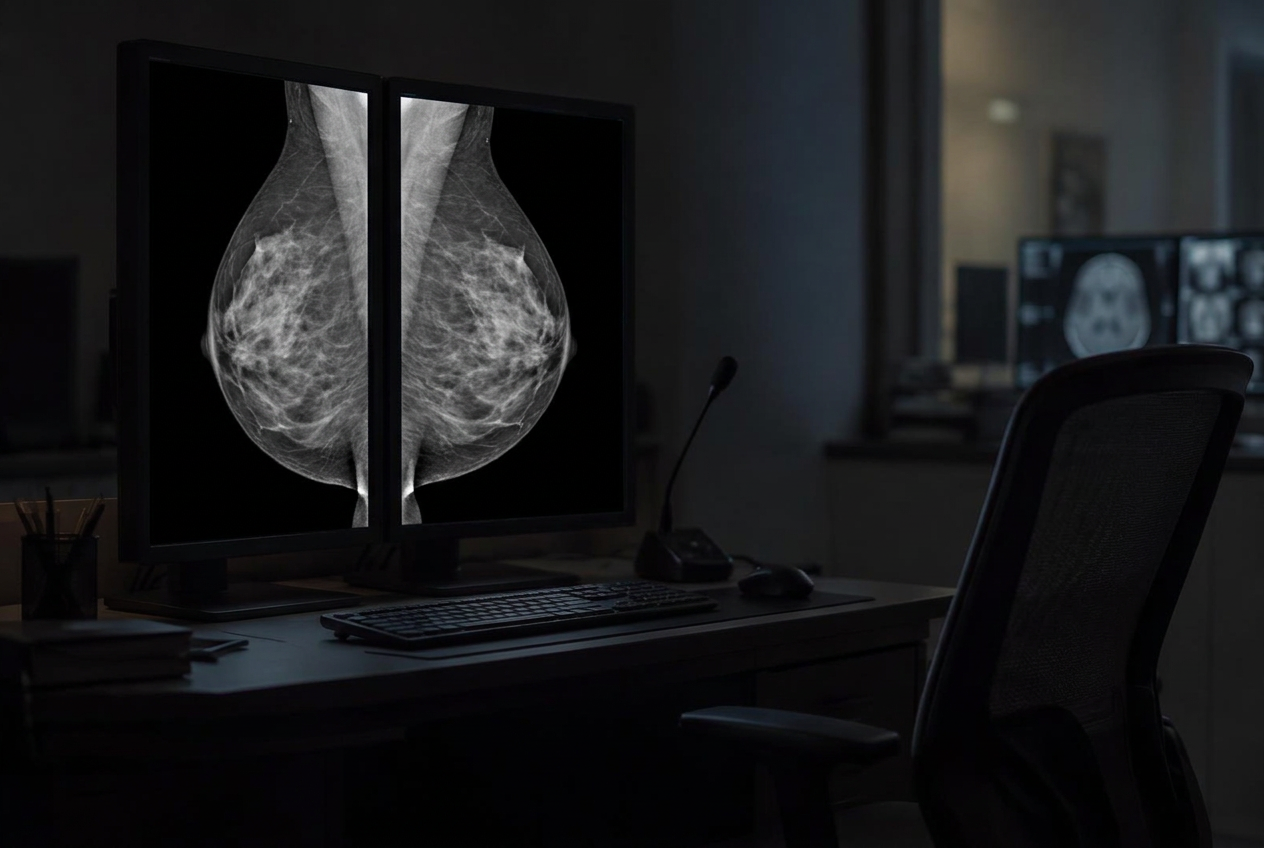
Medical imaging can contain an enormous amount of visual information. Reviewing it requires expertise, attention, and time. We explored how computer vision could help surface relevant patterns and areas of interest without taking the expert out of the loop.
We designed a computer vision workflow that analyzes medical imagery, identifies relevant visual regions, and presents those findings for expert review.
- Artificial Intelligence
- Computer Vision
- Image Analysis
What is VISTA?
VISTA is a computer vision platform designed to help healthcare teams analyze medical imagery and surface areas that may require closer attention.
By combining visual analysis, image processing, and AI-assisted review, VISTA helps bring relevant visual information into a workflow designed around the people interpreting it.
01The Problem
The challenge wasn't more data. It was finding the signal.
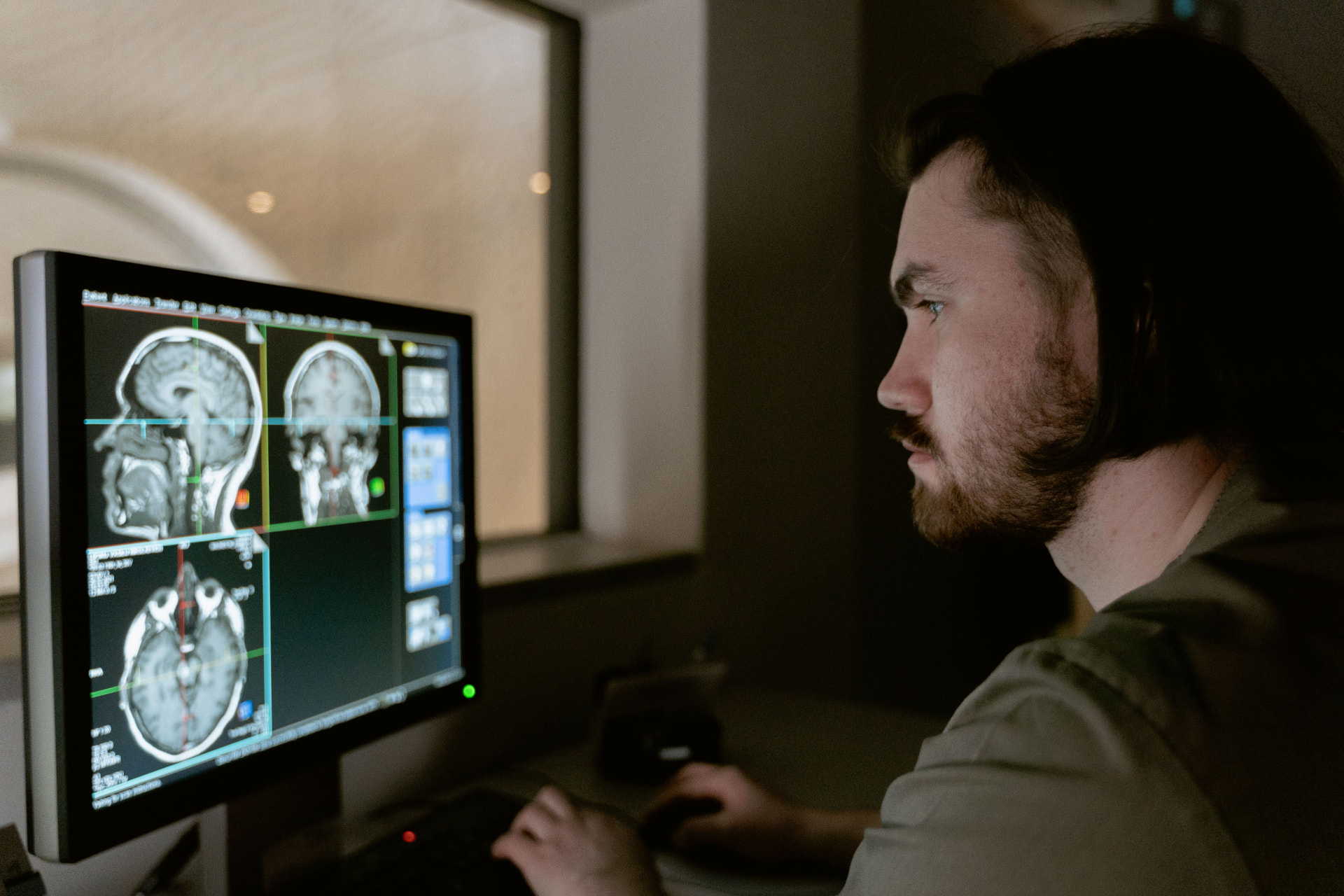
Medical imaging contains a significant amount of visual information. A single image can hold countless details, and only some of them may warrant a closer look.
Identifying the areas that matter for closer review can require substantial attention and expertise — every time, for every image.
02Proposed Solution
Teaching machines to see what matters.
We designed a computer vision workflow that analyzes medical imagery, identifies relevant visual regions, and presents those findings for expert review.
- 01
Input
Image Input
- 02
Computer vision
Image Processing
- 03
Computer vision
Feature Detection
- 04
Computer vision
Region Analysis
- 05
Computer vision
Visual Annotation
- 06
Human
Expert Review
03How It Works
One image, from original to annotated review.
01Original Image
02AI Analysis
03Relevant Region Identified
04Visual Annotation
Interface and imagery are fictional and contain no patient information.
04Outcome
From manual visual review to AI-assisted analysis.
- 01
Surface relevant regions
Potentially important visual areas can be brought forward for expert review.
- 02
Focus attention
AI-generated annotations can help direct attention toward specific regions of an image.
- 03
Keep experts in control
The system supports expert review rather than replacing professional interpretation.
05Technology
The technology behind the workflow.
- Computer Vision
- Machine Learning
- Image Processing
- AI
- Cloud
06FAQs
Curious how it works?
Does the AI make the diagnosis?
No. The concept is designed to assist expert review, not replace clinical judgment.
What types of medical images can computer vision analyze?
The approach can be adapted to different image types depending on the use case, data, and model requirements.
Can this work with existing imaging workflows?
The architecture can be designed around existing systems and review processes.
Where does AI add the most value?
Computer vision can support tasks such as visual analysis, pattern detection, segmentation, classification, and prioritization.
Have a complex system that could work smarter?
Let's build what's next.
Case Studies
Our featured success stories.
Fintech
PulsePay
An intelligence and orchestration layer that connects payment operations without replacing the systems underneath. Target: up to 40% less time spent on manual payment investigations. Proposed target, not a verified result.
- Artificial Intelligence
- Payment Reconciliation
- Workflow Automation